

Tackling the Hidden Crisis: Insights from the National Review of Student Suicides in England
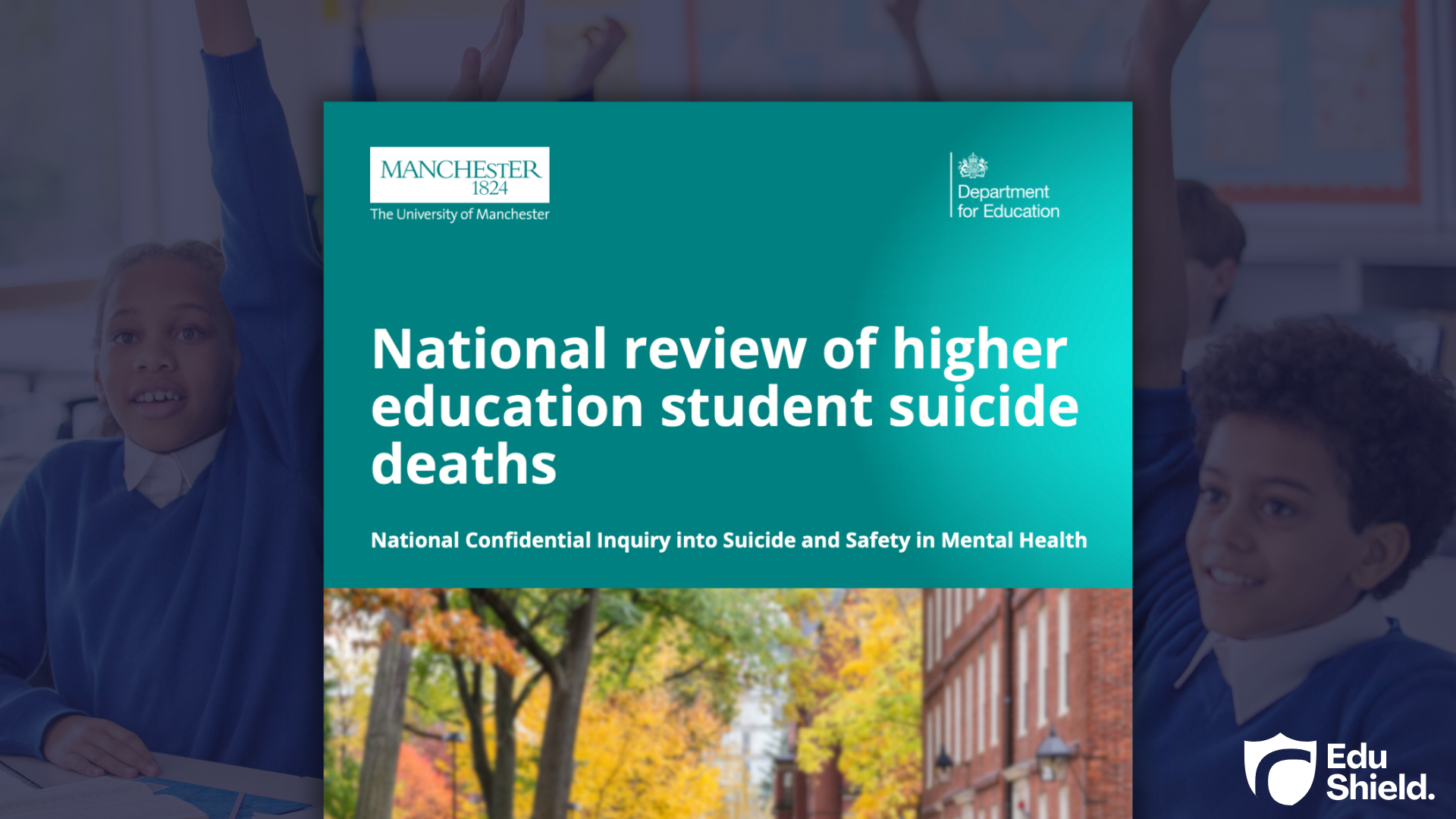
The mental health and wellbeing of students in England’s universities has come under intense scrutiny following the publication of the National Review of Student Suicides in May 2025. Commissioned by the Department for Education and led by Professor Sir Louis Appleby, this review examined 79 suspected student suicide deaths and 25 non-fatal self-harm incidents during the 2023–24 academic year. The findings reveal both the scale of the problem and the urgent need for reforms to protect students in higher education.
Key Findings
1. Mental Ill-Health as a Primary Factor
Nearly half of the cases reviewed identified mental ill-health as a significant factor contributing to student suicides. Conditions such as depression, anxiety, and other psychiatric disorders were commonly reported, often exacerbated by the pressures of academic life. The review emphasizes that universities need to take proactive measures to identify and support students at risk before crises occur.
2. Academic Pressure
More than a third of the cases highlighted academic pressures as a contributing factor. The intense workload, high-stakes assessments, and competitive environments in universities can create overwhelming stress for students. While academic challenges are a normal part of higher education, the review underscores that universities must ensure robust support systems are in place to prevent these pressures from escalating into mental health crises.
3. Gaps in University Systems
Parents and advocacy groups have criticized the review for failing to address structural issues within university systems. These include a lack of clear duty of care, inconsistent mental health provision, and limited mechanisms for early intervention. Many parents called for a statutory duty of care for higher education institutions, arguing that current voluntary measures are insufficient to safeguard student wellbeing.
4. Recommendations
The review sets out several actionable recommendations:
-
Improved Transparency: Universities should provide clear reporting on mental health incidents, suicides, and self-harm, enabling better understanding and intervention.
-
Suicide Prevention Training: All staff in student-facing roles should receive comprehensive suicide prevention and mental health awareness training.
-
Proactive Support: Institutions must develop mechanisms for early identification of students at risk, including regular check-ins, accessible counseling, and peer support networks.
-
Collaboration with Health Services: Universities should strengthen partnerships with local mental health services to ensure students can access urgent care when needed.
The Response and Next Steps
The Education Secretary has pledged to implement reforms based on the review’s recommendations, emphasizing the government’s commitment to improving student mental health. However, advocacy groups remain vocal in calling for stronger legal protections, arguing that voluntary measures alone will not prevent further tragedies.
Universities are now faced with a challenge: to balance academic excellence with a duty of care that prioritizes student wellbeing. This requires systemic changes, from leadership accountability to embedding mental health support across all aspects of university life.
Why This Matters
Student suicide is a complex and deeply distressing issue. While mental health problems are often private struggles, universities are uniquely positioned to provide support, guidance, and intervention. The National Review highlights that early detection, staff training, and transparent reporting can save lives.
Addressing this crisis is not only a moral imperative but also a societal one. Students represent the future workforce and leaders of the nation, and ensuring their mental health is protected must be a national priority.
Conclusion
The National Review of Student Suicides in England serves as a sobering reminder of the pressures faced by students in higher education. By implementing the recommendations, universities can create a safer, more supportive environment that identifies at-risk students early and provides them with the help they need.
Read the full review here: The National Review of Student Suicides (May 2025)